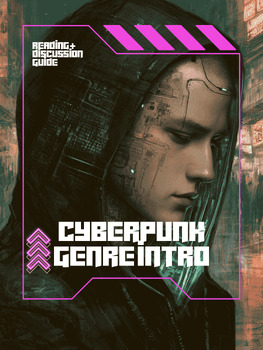
Teaching cyberpunk to students who've never read it is a specific problem. The vocabulary is dense, the political context is particular, and without background, Gibson reads like a technical manual. This guide handles the front-loading so you don't have to build it yourself. It covers what cyberpunk is and where it came from, how it sits within the broader SF landscape — with direct comparisons to Golden Age SF, New Wave, dystopian fiction, and solarpunk — and a 12-term vocabulary glossary written for the actual concepts students will encounter:
See it on Teachers Pay Teachers — $5.50
cyberspace, cybernetics, megacorporation, the sprawl, ICE, console cowboy, corporate hegemony, simulacrum, and more. A curated, annotated reading list covers short stories and films with access notes included, so there's no hunting. Discussion questions at the back are text-agnostic and work with any cyberpunk story or film you assign. What's Included:
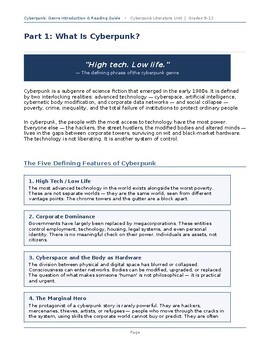
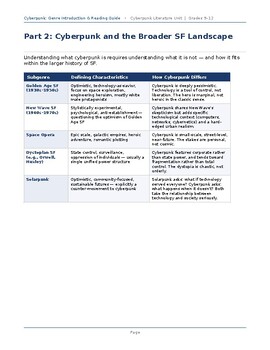
Genre definition and five defining features of cyberpunk Subgenre comparison chart — cyberpunk vs. Golden Age SF, New Wave, dystopia, solarpunk 12-term vocabulary glossary with definitions written for the concepts, not the dictionary Annotated reading list — short stories and films with access notes Text-agnostic discussion questions for any cyberpunk text or film How to Use It: Runs in one class period as a launch lesson before students open Neuromancer, "Burning Chrome," Blade Runner, Ghost in the Shell, or any cyberpunk short fiction. The vocabulary glossary works as a reference card students keep out while reading.
The discussion questions can close the intro lesson or open discussion after students have read. About This Resource: Cyberpunk is one of those subgenres where context does most of the interpretive work — students who understand where it came from and what it's arguing read it completely differently than students who don't. This guide exists because that context takes a long time to build from scratch, and most of it isn't in the texts themselves.
This resource is part of the Complete SF Literature Unit — 9 Resources Grades 9–12 ELA, which builds a full science fiction literature course from genre introduction through essay writing. If this resource saved you prep time, please leave a rating under My Purchases Provide Feedback. Every review earns you TpT Credits toward future purchases — roughly $1 in credits for every $10 reviewed. Follow Starmaker Tools for Teachers to be notified when new resources launch or go on sale.
Keywords: cyberpunk unit high school, cyberpunk genre introduction, cyberpunk literature lesson, cyberpunk vocabulary, William Gibson lesson, Blade Runner teaching guide, dystopia unit high school, speculative fiction ELA, near-future fiction, SF literature secondary, cyberpunk reading list, high school ELA science fiction, grades 9-12 speculative fiction
Designed for grades 9–12.
 Starmaker English and Journalism Tools
Leave a comment